
• Cursos
  • Eventos
  • Peru-Inkubator
  • 5a Conferencia
    Emprendimiento
    Perú-Alemania
  • Biblioteca
    • Blog
    • Media
    • Shop
  • Peru-Consult
    • Testimonios
    • Sostenibilidad
    • Sobre nosotros
    • Nuestro equipo
    • Contacto
  • Español
    • Alemán

Type To Search

  • Cursos
  • Eventos
  • Peru-Inkubator
  • 5a Conferencia
    Emprendimiento
    Perú-Alemania
  • Biblioteca
    • Blog
    • Media
    • Shop
  • Peru-Consult
    • Testimonios
    • Sostenibilidad
    • Sobre nosotros
    • Nuestro equipo
    • Contacto
  • Español
    • Alemán

Type To Search

  • Cursos
  • Eventos
  • Peru-Inkubator
  • 5a Conferencia
    Emprendimiento
    Perú-Alemania
  • Biblioteca
    • Blog
    • Media
    • Shop
  • Peru-Consult
    • Testimonios
    • Sostenibilidad
    • Sobre nosotros
    • Nuestro equipo
    • Contacto
  • Español
    • Alemán

Type To Search

  • Cursos
  • Eventos
  • Peru-Inkubator
  • 5a Conferencia
    Emprendimiento
    Perú-Alemania
  • Biblioteca
    • Blog
    • Media
    • Shop
  • Peru-Consult
    • Testimonios
    • Sostenibilidad
    • Sobre nosotros
    • Nuestro equipo
    • Contacto
  • Español
    • Alemán
14 AgoaprendizajeAprendizajeEconomíaEmpresasInterculturalidadModaProductosRedesSin categorizarSostenibilidad

1 de agosto: ¡Es hora de celebrar a los gentiles gigantes de los Andes!

by Holger Ehrsam0 Comments
76
1624

1 de agosto: ¡Es hora de celebrar a los gentiles gigantes de los Andes!

Imagina que estás en los Andes peruanos, a más de 3000 metros de altura. Durante el día, el sol brilla intensamente, pero por la noche las temperaturas bajan a bajo cero. ¿Cómo se adaptaría tu cuerpo a un clima tan extremo? Para un animal especial, esto es la vida cotidiana: ¡la alpaca! Precisamente por eso, el 1 de agosto se celebra en Perú el Día de la Alpaca, una excelente ocasión para conocer mejor a esta fascinante estrella.

¿Sabías que el 87 % de la población mundial de alpacas vive en Perú? Para miles de familias, las alpacas no son solo una fuente de ingresos, sino una parte fundamental de su cultura. Aunque pertenecen a la familia de los camélidos, no son animales del desierto. Su valiosa lana, que las protege de las extremas variaciones de temperatura en los Andes, es lo que las hace tan únicas.
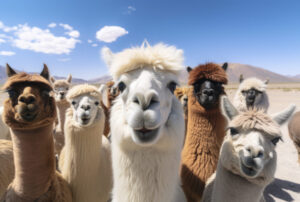
Imagen de Freepik creada con IA


Riesgo de confusión: ¿Cómo diferenciar una alpaca de una llama?

A menudo se confunde a las alpacas con sus parientes más grandes, las llamas. Y sí, son parecidas, ¡pero hay diferencias cruciales!

  • Tamaño y complexión: Las alpacas son más pequeñas y compactas, con una espalda más plana. Las llamas son notablemente más grandes y robustas.
  • Orejas: Las alpacas tienen orejas más cortas y redondeadas, mientras que las llamas tienen orejas largas y más puntiagudas.
  • Lana: Las llamas se utilizan a menudo como animales de carga y para el senderismo, mientras que las alpacas se crían principalmente por su lana. Su fibra es mucho más fina y valiosa.
  • Carácter: Las alpacas suelen ser más tranquilas y dóciles que las llamas, lo que también las convierte en mascotas populares.
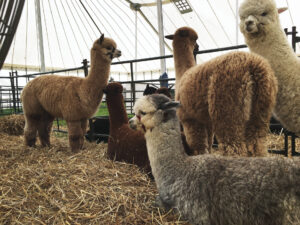
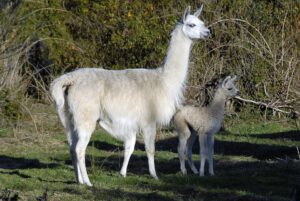
                             

                             Alpacas, foto de Freepik                                                             Llamas, foto de Freepik


Un tesoro esponjoso: la lana de alpaca

¿Qué hace que la lana de estos animales sea tan especial? Las fibras de alpaca son verdaderas maravillas de la naturaleza. Son:

  • Termorreguladoras: Te abrigan en invierno y te protegen del calor en verano.
  • Resistentes a la suciedad y transpirables: Perfectas para días activos sin que te sientas sudoroso.
  • Hipoalergénicas: A diferencia de la lana de oveja, la fibra de alpaca casi no contiene lanolina (la grasa de la lana), lo que la hace ideal para personas con alergias.

Quizás hayas oído hablar de Baby Alpaca. Este es un término de calidad que a menudo causa confusión, ya que no se refiere a que la lana provenga de una cría. En su lugar, describe la finura extrema de la fibra, que se mide en micras. Cuanto menor sea el valor, más suave y valiosa es la lana. El nivel de calidad más fino y caro, Baby Royal, es tan delicado que apenas lo sientes en la piel. Sin embargo, la fibra más exclusiva de todas es la de la vicuña, un pariente silvestre de las alpacas.


De los Andes al mundo: producción y exportación

Las alpacas se esquilan una vez al año, en un proceso suave que no estresa a los animales. Las fibras obtenidas se utilizan en una gran variedad de productos, desde hilos de alta calidad hasta prendas de punto y textiles para el hogar. La mayoría de las exportaciones (dos tercios) son de materia prima, mientras que el tercio restante corresponde a productos terminados que se distribuyen por todo el mundo.

Estos valiosos productos de alpaca llegan principalmente a China, Italia y Estados Unidos, que en conjunto representan alrededor del 70 % de las exportaciones peruanas. Esto demuestra la fascinación global por la calidad única de la fibra de alpaca.

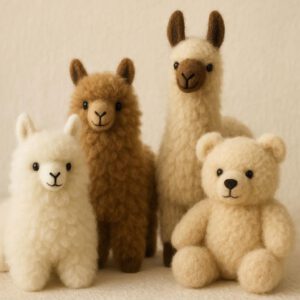
Con la fibra de alpaca se pueden elaborar diferentes productos como prendas de vestir, productos de decoración y juguetes. Imágenes creadas con IA.


Tu pequeña guía de la alpaca: lo que debes saber

¿Quieres comprar un producto de alpaca auténtico? Aquí tienes algunos consejos:

  1. Calidad: La finura de la fibra es crucial. Si tienes una prenda en las manos, puedes frotarla suavemente en la mejilla o en el antebrazo. Sentirás de inmediato si la lana es suave y agradable.
  2. Autenticidad: Para asegurarte de que es lana de alpaca 100 % pura, puedes hacer en casa una simple “prueba de quemado”. Arranca unas pocas hebras y quémalas brevemente. La lana de alpaca auténtica huele a pelo quemado, es difícil de inflamar y deja pequeñas bolitas que se desmenuzan fácilmente.
  3. Origen: Gran parte de la producción de alpaca en Perú proviene de pequeñas granjas. Al comprar un producto que apoya a estos agricultores, les ayudas directamente a asegurar su sustento. Ese es el tipo de comercio sostenible que fomentamos en Ehrsam Peru-Consult.

Así que el Día de la Alpaca es más que una celebración de un animal adorable. Es un homenaje a la cultura, la economía y el increíble legado que estos gentiles camélidos brindan a la gente de los Andes. Si aún no has experimentado la suavidad de esta fibra, ¡te animamos a probarla por ti mismo!

Foto de Freepik


Resumen

El 1 de agosto es el Día Internacional de la Alpaca, una fecha para celebrar a este fascinante animal, del cual el 87 % de la población mundial vive en Perú. Las alpacas, que pertenecen a la familia de los camélidos, son más pequeñas que las llamas y se crían principalmente por su lana de alta calidad. Su fibra es termorreguladora, hipoalergénica y resistente a la suciedad. La calidad de la lana se mide en micras, y términos como “Baby Alpaca” y “Baby Royal” se refieren a los grados de finura más altos. La lana se esquila anualmente y se exporta a nivel mundial, principalmente a China, Italia y Estados Unidos. Para verificar la autenticidad de la fibra, se puede realizar una sencilla prueba de quemado. Comprar productos de alpaca no solo es una inversión en calidad, sino que también apoya a miles de pequeños agricultores en los Andes.

 
Escrito por: Mónica Valcárcel
 
Fuentes:
  • Canal en YouTube de Ehrsam Peru-Consult, video #168
  • Alpaka Store
  • Alpakita
Imagen de portada creada con IA

Als PDF herunterladen
Share article:
Alemania Dropshipping Emprendedores Perú

Inteligencia artificial generativa en la gestión empresarial – Perspectivas desde la práctica de emprendedores peruanos en Alemania

24. junio 2025

Constitución de empresas y registro de marcas y patentes en Alemania

27. septiembre 2025

Related Posts

30 AbrEconomíaEmpresasModaModelo de negocioProductosSostenibilidad

Sostenibilidad en la industria textil: ¿Tendencia ó cambio de hábitos?

Read More
27 FebEconomíaProductosSin categorizar

FRUIT LOGISTICA más internacional que nunca – Perú convence

Read More
Suche
Kategorien
  • Aprendizaje(10)
  • aprendizaje(10)
  • Arte(3)
  • Clientes(16)
  • e-Commerce(15)
  • Economía(20)
  • Empresas(27)
  • Interculturalidad(13)
  • Moda(6)
  • Modelo de negocio(21)
  • Productos(24)
  • Redes(7)
  • Sin categorizar(23)
  • Sostenibilidad(9)
Letzte Beiträge
  • Posicionamiento Estratégico para Emprendedores – Cómo Distinguirte del Competidor
    Posicionamiento Estratégico para Emprendedores – Cómo Distinguirte del Competidor
    30. octubre 2025
  • Constitución de empresas y registro de marcas y patentes en Alemania
    Constitución de empresas y registro de marcas y patentes en Alemania
    27. septiembre 2025
  • La Identidad de Marca – El ADN de tu Emprendimiento
    La Identidad de Marca – El ADN de tu Emprendimiento
    27. septiembre 2025
Etiquetas
Alemania comercio eletrónico Dropshipping Emprendedores Marketing Perú Sostenibilidad sostenibilidad startup universidades

Archive

  • octubre 2025
  • septiembre 2025
  • agosto 2025
  • junio 2025
  • marzo 2025
  • enero 2025
  • diciembre 2024
  • octubre 2024
  • septiembre 2024
  • agosto 2024
  • julio 2024
  • junio 2024
  • abril 2024
  • diciembre 2023
  • noviembre 2023
  • octubre 2023
  • agosto 2023
  • julio 2023
  • mayo 2023
  • abril 2023
  • marzo 2023
  • febrero 2023
  • diciembre 2022
  • noviembre 2022
  • septiembre 2022
  • agosto 2022
  • julio 2022
  • junio 2022
  • noviembre 2021
  • octubre 2021
  • septiembre 2021
  • junio 2021

Construimos puentes entre Perú y Alemania

Contáctanos

hello (at) peruconsult.de

coaching (at) peruconsult.de

+49 1573 6487661

Frankfurt am Main / Lima - San Borja

Facebook-f Linkedin Youtube

Menu

  • Tienda
  • Cursos
  • Eventos
  • Tienda
  • Cursos
  • Eventos

Servicios

  • Impreso
  • Términos y Condiciones
  • Privacidad
  • Impreso
  • Términos y Condiciones
  • Privacidad
logo_footer

Copyright © 2025 Peru Consult Digitalconekting. All Rights Reserved.

I
Usamos cookies
Podemos colocarlos para analizar los datos de nuestros visitantes con el fin de mejorar nuestro sitio web, mostrar contenido personalizado y brindarle una excelente experiencia en el sitio web. Para obtener más información sobre las cookies que utilizamos, abra la configuración.
[wt_cli_category_widget]
Configuración de CookieAceptar
Administrar el consentimiento

Privacidad

Las cookies son piezas de información que se transmiten desde nuestro servidor web o servidores web de terceros al navegador web del usuario y se almacenan allí para su posterior recuperación. Se informa a los usuarios sobre el uso de cookies en el contexto de la medición de rango seudónimo en el contexto de esta declaración de protección de datos.
GUARDAR Y ACEPTAR

Accessibility

Text to Speech

Peru Consult Accessibility Statement

Accessibility Statement

  • peruconsult.de
  • 13. January 2026

Compliance status

We firmly believe that the internet should be available and accessible to anyone, and are committed to providing a website that is accessible to the widest possible audience, regardless of circumstance and ability.

To fulfill this, we aim to adhere as strictly as possible to the World Wide Web Consortium’s (W3C) Web Content Accessibility Guidelines 2.1 (WCAG 2.1) at the AA level. These guidelines explain how to make web content accessible to people with a wide array of disabilities. Complying with those guidelines helps us ensure that the website is accessible to all people: blind people, people with motor impairments, visual impairment, cognitive disabilities, and more.

This website utilizes various technologies that are meant to make it as accessible as possible at all times. We utilize an accessibility interface that allows persons with specific disabilities to adjust the website’s UI (user interface) and design it to their personal needs.

Additionally, the website utilizes an AI-based application that runs in the background and optimizes its accessibility level constantly. This application remediates the website’s HTML, adapts Its functionality and behavior for screen-readers used by the blind users, and for keyboard functions used by individuals with motor impairments.

If you’ve found a malfunction or have ideas for improvement, we’ll be happy to hear from you. You can reach out to the website’s operators by using the following email

Screen-reader and keyboard navigation

Our website implements the ARIA attributes (Accessible Rich Internet Applications) technique, alongside various different behavioral changes, to ensure blind users visiting with screen-readers are able to read, comprehend, and enjoy the website’s functions. As soon as a user with a screen-reader enters your site, they immediately receive a prompt to enter the Screen-Reader Profile so they can browse and operate your site effectively. Here’s how our website covers some of the most important screen-reader requirements, alongside console screenshots of code examples:

  1. Screen-reader optimization: we run a background process that learns the website’s components from top to bottom, to ensure ongoing compliance even when updating the website. In this process, we provide screen-readers with meaningful data using the ARIA set of attributes. For example, we provide accurate form labels; descriptions for actionable icons (social media icons, search icons, cart icons, etc.); validation guidance for form inputs; element roles such as buttons, menus, modal dialogues (popups), and others. Additionally, the background process scans all of the website’s images and provides an accurate and meaningful image-object-recognition-based description as an ALT (alternate text) tag for images that are not described. It will also extract texts that are embedded within the image, using an OCR (optical character recognition) technology. To turn on screen-reader adjustments at any time, users need only to press the Alt+1 keyboard combination. Screen-reader users also get automatic announcements to turn the Screen-reader mode on as soon as they enter the website.

    These adjustments are compatible with all popular screen readers, including JAWS and NVDA.

  2. Keyboard navigation optimization: The background process also adjusts the website’s HTML, and adds various behaviors using JavaScript code to make the website operable by the keyboard. This includes the ability to navigate the website using the Tab and Shift+Tab keys, operate dropdowns with the arrow keys, close them with Esc, trigger buttons and links using the Enter key, navigate between radio and checkbox elements using the arrow keys, and fill them in with the Spacebar or Enter key.Additionally, keyboard users will find quick-navigation and content-skip menus, available at any time by clicking Alt+1, or as the first elements of the site while navigating with the keyboard. The background process also handles triggered popups by moving the keyboard focus towards them as soon as they appear, and not allow the focus drift outside of it.

    Users can also use shortcuts such as “M” (menus), “H” (headings), “F” (forms), “B” (buttons), and “G” (graphics) to jump to specific elements.

Disability profiles supported in our website

  • Epilepsy Safe Mode: this profile enables people with epilepsy to use the website safely by eliminating the risk of seizures that result from flashing or blinking animations and risky color combinations.
  • Visually Impaired Mode: this mode adjusts the website for the convenience of users with visual impairments such as Degrading Eyesight, Tunnel Vision, Cataract, Glaucoma, and others.
  • Cognitive Disability Mode: this mode provides different assistive options to help users with cognitive impairments such as Dyslexia, Autism, CVA, and others, to focus on the essential elements of the website more easily.
  • ADHD Friendly Mode: this mode helps users with ADHD and Neurodevelopmental disorders to read, browse, and focus on the main website elements more easily while significantly reducing distractions.
  • Blindness Mode: this mode configures the website to be compatible with screen-readers such as JAWS, NVDA, VoiceOver, and TalkBack. A screen-reader is software for blind users that is installed on a computer and smartphone, and websites must be compatible with it.
  • Keyboard Navigation Profile (Motor-Impaired): this profile enables motor-impaired persons to operate the website using the keyboard Tab, Shift+Tab, and the Enter keys. Users can also use shortcuts such as “M” (menus), “H” (headings), “F” (forms), “B” (buttons), and “G” (graphics) to jump to specific elements.

Additional UI, design, and readability adjustments

  1. Font adjustments – users, can increase and decrease its size, change its family (type), adjust the spacing, alignment, line height, and more.
  2. Color adjustments – users can select various color contrast profiles such as light, dark, inverted, and monochrome. Additionally, users can swap color schemes of titles, texts, and backgrounds, with over 7 different coloring options.
  3. Animations – epileptic users can stop all running animations with the click of a button. Animations controlled by the interface include videos, GIFs, and CSS flashing transitions.
  4. Content highlighting – users can choose to emphasize important elements such as links and titles. They can also choose to highlight focused or hovered elements only.
  5. Audio muting – users with hearing devices may experience headaches or other issues due to automatic audio playing. This option lets users mute the entire website instantly.
  6. Cognitive disorders – we utilize a search engine that is linked to Wikipedia and Wiktionary, allowing people with cognitive disorders to decipher meanings of phrases, initials, slang, and others.
  7. Additional functions – we provide users the option to change cursor color and size, use a printing mode, enable a virtual keyboard, and many other functions.

Browser and assistive technology compatibility

We aim to support the widest array of browsers and assistive technologies as possible, so our users can choose the best fitting tools for them, with as few limitations as possible. Therefore, we have worked very hard to be able to support all major systems that comprise over 95% of the user market share including Google Chrome, Mozilla Firefox, Apple Safari, Opera and Microsoft Edge, JAWS and NVDA (screen readers), both for Windows and for MAC users.

Notes, comments, and feedback

Despite our very best efforts to allow anybody to adjust the website to their needs, there may still be pages or sections that are not fully accessible, are in the process of becoming accessible, or are lacking an adequate technological solution to make them accessible. Still, we are continually improving our accessibility, adding, updating and improving its options and features, and developing and adopting new technologies. All this is meant to reach the optimal level of accessibility, following technological advancements. For any assistance, please reach out to